Buy logodesign.eu ?
We are moving the project
logodesign.eu .
Are you interested in purchasing the domain
logodesign.eu ?
domain@kv-gmbh.de · 0541-91531010
Buy logodesign.eu ?
What is the difference between il faut que and il faut?
"Il faut" is used to express a general necessity or obligation, while "il faut que" is used to introduce a specific action or event that is necessary or required. For example, "il faut manger" means "it is necessary to eat" in a general sense, while "il faut que tu manges" means "you need to eat" in a specific sense. "Il faut" is used to make a general statement about what is necessary, while "il faut que" is used to specify what needs to be done. **
When do you use il faut and il ne faut pas?
"Il faut" is used to express what is necessary or required, while "il ne faut pas" is used to express what is not allowed or should be avoided. For example, you would use "il faut" to say "il faut étudier pour réussir" (it is necessary to study to succeed), and "il ne faut pas" to say "il ne faut pas fumer dans ce lieu" (smoking is not allowed in this place). These expressions are used to give advice, make recommendations, or set rules. **
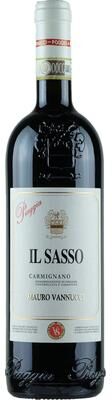

Similar search terms for Piaggia-Il-Sasso-Carmignano
Top-Angebote
Products related to Piaggia-Il-Sasso-Carmignano:
-
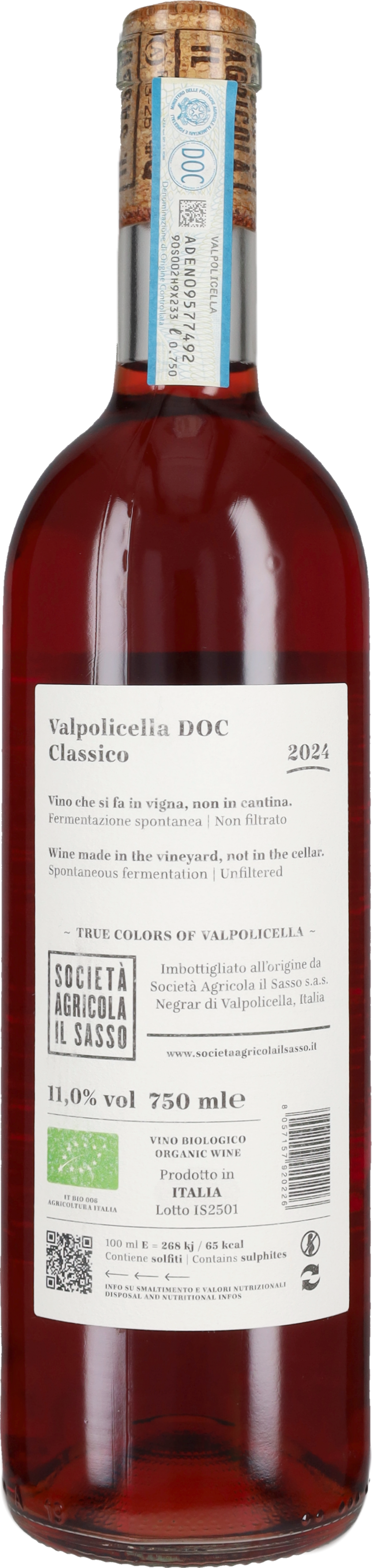
Valpolicella Classico Il Sasso 2024Il Valpolicella Classico della società agricola Il Sasso è un rosso tipico di questa nota zona enologica veneta realizzato a partire da un assemblaggio di uve autoctone quali Corvina, Corvinone e Rondinella. Si distingue fin da subito da altre etichette della zona come un’espressione unica e volutamente lontana dagli standard organolettici della denominazione, giocata al 100% su leggerezza e bevibilità. Un’interpretazione di Valpolicella più vera e diretta, come ama definirla Stefano Bellamoli, il vigneron di casa. La società agricola Il Sasso produce questo Valpolicella Classico a sud di Negrar, nel cuore della zona classica della denominazione, a 300 metri di altitudine su terreni aspri ricchi di calcarenite gialla, una roccia sedimentaria simile al tufo, di colore giallo e ricca di fossili marini. In vigna la viticoltura è sostenibile “l’unica agricoltura possibile” secondo Stefano che ritroviamo in etichetta contraddistinta dalla certificazione biologica. In cantina non si ricorre ad alcun tipo di trucchetto enologico, la fermentazione è spontanea a partire da lieviti indigeni e ha luogo in piccoli tini di acciaio, dove il vino sosta fino a Primavera prima dell’imbottigliamento. Il Valpolicella Classico di Il Sasso è un ritratto atipico di Valpolicella fin dal colore che si mostra rosso scarico nel bicchiere con riflessi quasi rosati. Al naso è molto profumato e leggiadro, caratterizzato da note di piccoli frutti rossi, fiori freschi ed erbe spontanee mentre in bocca è dritto, succoso, asciutto con tannini molto controllati. Ottimo da bere appena fresco all’ora dell’aperitivo in abbinata a un bel tagliere di salumi e di formaggi freschi. Pronti a scoprire insieme a Stefano de Il Sasso il nuovo volto, agile e beverino, della Valpolicella Classica?19,00 £*Shipping: 48,00 £Secure redirect to the provider
-
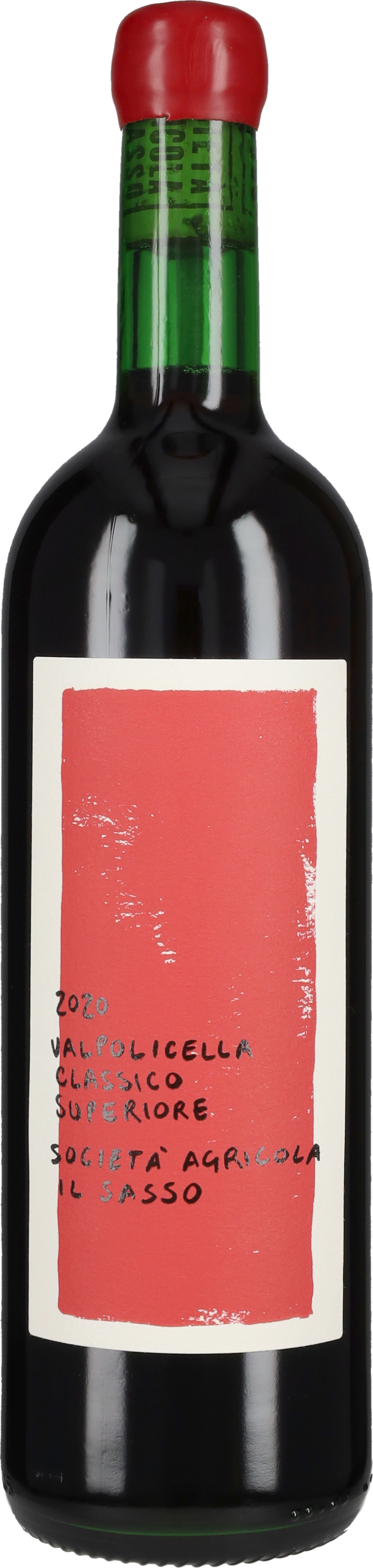
Valpolicella Classico Superiore Il Sasso 2020The Valpolicella Classico Superiore from the Veronese winery Il Sasso is a pure and sincere interpretation of the area. This young production reality, located in Montericco Negrar, a few kilometers north of Verona, manages about ten hectares of organic vineyards, with an agronomic approach aimed at promoting biodiversity and soil vitality. The term “Classico” identifies the historically most vocated area of the denomination, while the mention “Superiore” identifies a higher alcohol content compared to the minimum requirement established by the regulations for normal Valpolicella. Il Sasso Valpolicella Classico Superiore comes from a blend of the indigenous grape varieties Corvina, Corvinone, and Rondinella. The vineyards are located south of Negrar, at an altitude of 300 meters, on harsh soils with yellow calcarenite, a yellow sedimentary rock similar to tuff and rich in marine fossils. After harvesting and careful selection, the bunches are laid to rest for about a week in small crates and, in the meantime, a pied de cuve is prepared to start the alcoholic fermentation with only indigenous yeasts. The maceration on the skins lasts for about a month and the mass is then transferred to steel and concrete tanks for maturation for 12 months. Finally, the wine, without undergoing invasive filtration, is bottled, where it rests for at least another 6 months before release. To the eye, the red Valpolicella Classico Superiore Il Sasso presents a ruby red hue. The aromas on the nose range from notes of cherry, sour cherry, woodland spices, and underbrush, to pleasant wine sensations. On the palate, it is juicy and fragrant, fresh and with great territorial adherence. An artisanal label capable of seducing with its pronounced typicity and versatility in pairings.Cuve to initiate alcoholic fermentation with only indigenous yeasts. The maceration on the skins lasts for about a month and the mass is then transferred to steel and concrete tanks for 12 months of maturation. Finally, the wine, without undergoing invasive filtration, is bottled, where it rests for at least another 6 months before release. In appearance, the Valpolicella Classico Superiore Il Sasso shows a ruby red color. The aromas on the nose range from notes of cherry, sour cherry, woodland spices, and underbrush, to pleasant wine sensations. On the palate, it is juicy and fragrant, fresh and with great territorial adherence. An artisanal label capable of seducing with its marked typicity and versatility in pairings.25,00 £*Shipping: 48,00 £Secure redirect to the provider
-
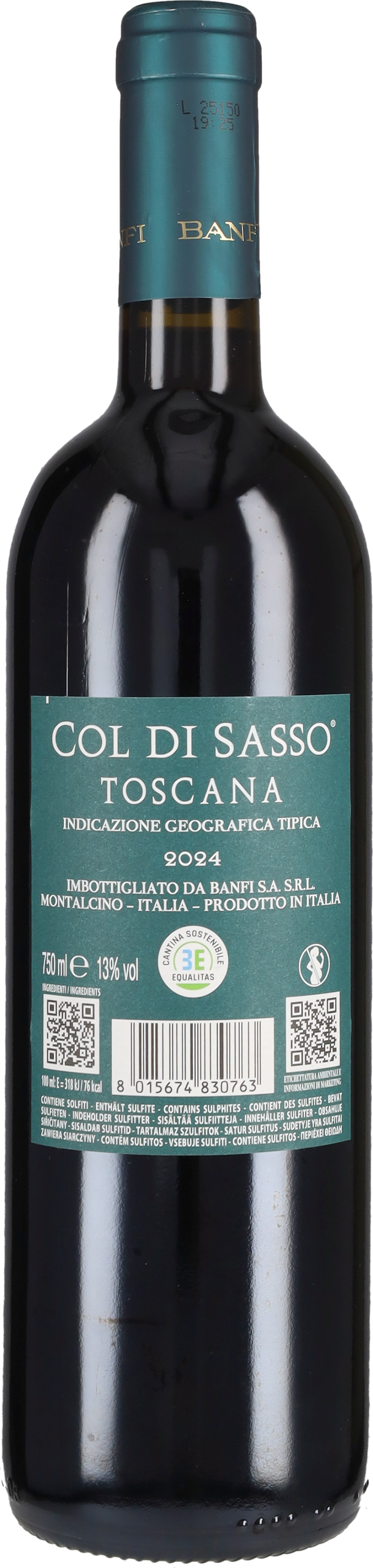
Col di Sasso' Banfi 2024The “Col di Sasso” Banfi is one of the most well-known and appreciated labels in the world. It is born from a blend of Sangiovese and Cabernet Sauvignon, which integrate perfectly with each other, offering an immediate and clear sip, characterized by a clean nose, with a great texture on the palate. A bottle that, thanks to its excellent versatility, is a great companion at the table, allowing pairing with various dishes such as cold cuts, earthy risottos, and main courses of red meat. This “Col di Sasso” from Banfi originates from the union of Sangiovese and Cabernet Sauvignon, the latter being the driving force in the final blend with 70%. The must obtained from the soft pressing of the grapes ferments in stainless steel containers at a controlled temperature of 24-25 degrees, briefly macerating on the skins for a total period of 6 days. This allows for a good extraction of color without excessively weighing down the tannic structure. Malolactic fermentation takes place subsequently, when it is transferred into barrique. The final phase of aging lasts a few months and takes place in barrique. At the end of this period, the winery proceeds with the bottling and marketing operations. The “Col di Sasso” signed by the Banfi winery moves in the glass with a ruby red color, characterized by some more violet reflections at the rim. The nose opens with hints of small forest fruits, enriched by sensations that recall wild herbs. On the palate, it has a velvety body, broad and enveloping, with a warm sip that develops with harmony and pleasantness.7,00 £*Shipping: 48,00 £Secure redirect to the provider
-
"""Piaggia Pietranera Toscana Rosso 2023 Red Wine - Italy""""""Intense and thick ruby red color. Complex on the nose, reminiscent of fruits of the forest jam, sweet spices, thyme and cocoa. Full-bodied. Excellent balance between acids and tannins, with a persistent finish and a pleasant sweet, fresh and fruity..."25,97 $*Shipping: 0,00 $Secure redirect to the provider

-
Why is it souhaite-t-il and not souhaite-s-il?
In French, the pronoun "il" (he) is combined with the verb "souhaiter" (to wish) to form the phrase "souhaite-t-il" because of the rule of verb inversion in interrogative sentences. When forming a question in French, the subject pronoun and the verb are inverted, so "souhaite-t-il" follows this rule. The "t" is added to create a liaison between the verb and the pronoun, making the pronunciation smoother. **
-
What comes after il faudrait in French?
In French, "il faudrait" is followed by the infinitive form of a verb. This construction is used to express a suggestion or a polite request. For example, "il faudrait partir tôt" means "it would be necessary to leave early." **
-
How does "il faut" work in French?
"Il faut" is a common expression in French that is used to convey the idea of necessity or obligation. It is followed by an infinitive verb and is used to express what needs to be done or what is necessary in a given situation. For example, "Il faut manger" means "It is necessary to eat." This expression is used to give advice, make suggestions, or express general truths. **
-
What is an El, Sl, and Il?
An El, Sl, and Il are all suffixes used in the English language to form adjectives. "El" is used to form adjectives that mean "pertaining to" or "characterized by," such as in the word "musical." "Sl" is used to form adjectives that mean "tending to" or "inclined to," such as in the word "careful." "Il" is used to form adjectives that mean "having the nature of" or "capable of," such as in the word "flexible." These suffixes help to create new adjectives by modifying the meaning of the base word. **

What do the abbreviations el and il mean?
The abbreviation "el" typically stands for "elevated" and is commonly used in the context of transportation systems, such as an "el train" which refers to an elevated railway. On the other hand, "il" is often used as an abbreviation for "Illinois," which is a state in the United States. It can also be used as an abbreviation for "in-line" in various contexts, such as in sports or technology. **
What is the past tense of il faut?
The past tense of "il faut" is "il a fallu." This is the third person singular form of the verb "falloir" in the past tense. It is used to indicate that something was necessary or required in the past. For example, "Il a fallu partir tôt ce matin" means "It was necessary to leave early this morning." **
Top-Angebote
Products related to Piaggia-Il-Sasso-Carmignano:
-
"""Piaggia Il Sasso Carmignano 2022 Red Wine - Italy""""""Intense and thick ruby red colour. Complex on the nose, reminiscent of fruitsof the forest jam, sweet spices, thyme and cocoa. Full-bodied. Excellent balancebetween alcohols and polyalcohols, acids and tannins, with a persistent finishand a..."35,97 $*Shipping: 0,00 $Secure redirect to the provider
-
"""Piaggia Carmignano Riserva 2021 Red Wine - Italy""""""Blend: 70% Sangiovese, 20% Cabernet Sauvignon & Cabernet Franc, 10% Merlot The 2021 Carmignano Riserva Piaggia takes its time in the glass, tempting the imagination with dried violets and flowery underbrush that evolve into peppery wild berries,..."48,97 $*Shipping: 0,00 $Secure redirect to the provider
-
Valpolicella Classico Il Sasso 2024Il Valpolicella Classico della società agricola Il Sasso è un rosso tipico di questa nota zona enologica veneta realizzato a partire da un assemblaggio di uve autoctone quali Corvina, Corvinone e Rondinella. Si distingue fin da subito da altre etichette della zona come un’espressione unica e volutamente lontana dagli standard organolettici della denominazione, giocata al 100% su leggerezza e bevibilità. Un’interpretazione di Valpolicella più vera e diretta, come ama definirla Stefano Bellamoli, il vigneron di casa. La società agricola Il Sasso produce questo Valpolicella Classico a sud di Negrar, nel cuore della zona classica della denominazione, a 300 metri di altitudine su terreni aspri ricchi di calcarenite gialla, una roccia sedimentaria simile al tufo, di colore giallo e ricca di fossili marini. In vigna la viticoltura è sostenibile “l’unica agricoltura possibile” secondo Stefano che ritroviamo in etichetta contraddistinta dalla certificazione biologica. In cantina non si ricorre ad alcun tipo di trucchetto enologico, la fermentazione è spontanea a partire da lieviti indigeni e ha luogo in piccoli tini di acciaio, dove il vino sosta fino a Primavera prima dell’imbottigliamento. Il Valpolicella Classico di Il Sasso è un ritratto atipico di Valpolicella fin dal colore che si mostra rosso scarico nel bicchiere con riflessi quasi rosati. Al naso è molto profumato e leggiadro, caratterizzato da note di piccoli frutti rossi, fiori freschi ed erbe spontanee mentre in bocca è dritto, succoso, asciutto con tannini molto controllati. Ottimo da bere appena fresco all’ora dell’aperitivo in abbinata a un bel tagliere di salumi e di formaggi freschi. Pronti a scoprire insieme a Stefano de Il Sasso il nuovo volto, agile e beverino, della Valpolicella Classica?19,00 £*Shipping: 48,00 £Secure redirect to the provider
-
Valpolicella Classico Superiore Il Sasso 2020The Valpolicella Classico Superiore from the Veronese winery Il Sasso is a pure and sincere interpretation of the area. This young production reality, located in Montericco Negrar, a few kilometers north of Verona, manages about ten hectares of organic vineyards, with an agronomic approach aimed at promoting biodiversity and soil vitality. The term “Classico” identifies the historically most vocated area of the denomination, while the mention “Superiore” identifies a higher alcohol content compared to the minimum requirement established by the regulations for normal Valpolicella. Il Sasso Valpolicella Classico Superiore comes from a blend of the indigenous grape varieties Corvina, Corvinone, and Rondinella. The vineyards are located south of Negrar, at an altitude of 300 meters, on harsh soils with yellow calcarenite, a yellow sedimentary rock similar to tuff and rich in marine fossils. After harvesting and careful selection, the bunches are laid to rest for about a week in small crates and, in the meantime, a pied de cuve is prepared to start the alcoholic fermentation with only indigenous yeasts. The maceration on the skins lasts for about a month and the mass is then transferred to steel and concrete tanks for maturation for 12 months. Finally, the wine, without undergoing invasive filtration, is bottled, where it rests for at least another 6 months before release. To the eye, the red Valpolicella Classico Superiore Il Sasso presents a ruby red hue. The aromas on the nose range from notes of cherry, sour cherry, woodland spices, and underbrush, to pleasant wine sensations. On the palate, it is juicy and fragrant, fresh and with great territorial adherence. An artisanal label capable of seducing with its pronounced typicity and versatility in pairings.Cuve to initiate alcoholic fermentation with only indigenous yeasts. The maceration on the skins lasts for about a month and the mass is then transferred to steel and concrete tanks for 12 months of maturation. Finally, the wine, without undergoing invasive filtration, is bottled, where it rests for at least another 6 months before release. In appearance, the Valpolicella Classico Superiore Il Sasso shows a ruby red color. The aromas on the nose range from notes of cherry, sour cherry, woodland spices, and underbrush, to pleasant wine sensations. On the palate, it is juicy and fragrant, fresh and with great territorial adherence. An artisanal label capable of seducing with its marked typicity and versatility in pairings.25,00 £*Shipping: 48,00 £Secure redirect to the provider
-
What is the difference between il faut que and il faut?
"Il faut" is used to express a general necessity or obligation, while "il faut que" is used to introduce a specific action or event that is necessary or required. For example, "il faut manger" means "it is necessary to eat" in a general sense, while "il faut que tu manges" means "you need to eat" in a specific sense. "Il faut" is used to make a general statement about what is necessary, while "il faut que" is used to specify what needs to be done. **
-
When do you use il faut and il ne faut pas?
"Il faut" is used to express what is necessary or required, while "il ne faut pas" is used to express what is not allowed or should be avoided. For example, you would use "il faut" to say "il faut étudier pour réussir" (it is necessary to study to succeed), and "il ne faut pas" to say "il ne faut pas fumer dans ce lieu" (smoking is not allowed in this place). These expressions are used to give advice, make recommendations, or set rules. **
-
Why is it souhaite-t-il and not souhaite-s-il?
In French, the pronoun "il" (he) is combined with the verb "souhaiter" (to wish) to form the phrase "souhaite-t-il" because of the rule of verb inversion in interrogative sentences. When forming a question in French, the subject pronoun and the verb are inverted, so "souhaite-t-il" follows this rule. The "t" is added to create a liaison between the verb and the pronoun, making the pronunciation smoother. **
-
What comes after il faudrait in French?
In French, "il faudrait" is followed by the infinitive form of a verb. This construction is used to express a suggestion or a polite request. For example, "il faudrait partir tôt" means "it would be necessary to leave early." **
Similar search terms for Piaggia-Il-Sasso-Carmignano
-
Col di Sasso' Banfi 2024The “Col di Sasso” Banfi is one of the most well-known and appreciated labels in the world. It is born from a blend of Sangiovese and Cabernet Sauvignon, which integrate perfectly with each other, offering an immediate and clear sip, characterized by a clean nose, with a great texture on the palate. A bottle that, thanks to its excellent versatility, is a great companion at the table, allowing pairing with various dishes such as cold cuts, earthy risottos, and main courses of red meat. This “Col di Sasso” from Banfi originates from the union of Sangiovese and Cabernet Sauvignon, the latter being the driving force in the final blend with 70%. The must obtained from the soft pressing of the grapes ferments in stainless steel containers at a controlled temperature of 24-25 degrees, briefly macerating on the skins for a total period of 6 days. This allows for a good extraction of color without excessively weighing down the tannic structure. Malolactic fermentation takes place subsequently, when it is transferred into barrique. The final phase of aging lasts a few months and takes place in barrique. At the end of this period, the winery proceeds with the bottling and marketing operations. The “Col di Sasso” signed by the Banfi winery moves in the glass with a ruby red color, characterized by some more violet reflections at the rim. The nose opens with hints of small forest fruits, enriched by sensations that recall wild herbs. On the palate, it has a velvety body, broad and enveloping, with a warm sip that develops with harmony and pleasantness.7,00 £*Shipping: 48,00 £Secure redirect to the provider
-
"""Piaggia Pietranera Toscana Rosso 2023 Red Wine - Italy""""""Intense and thick ruby red color. Complex on the nose, reminiscent of fruits of the forest jam, sweet spices, thyme and cocoa. Full-bodied. Excellent balance between acids and tannins, with a persistent finish and a pleasant sweet, fresh and fruity..."25,97 $*Shipping: 0,00 $Secure redirect to the provider
-
"""Capezzana Villa di Carmignano 2021 Red Wine - Italy""""""Bright, intense ruby in color with a nose of wild berries and violets, elegant and ample. Elegant and balanced acid. The long finish has an aftertaste of sweet licorice and coffee. An intensely sanguine, mineral nose unfolds with aromas of cracked..."30,97 $*Shipping: 0,00 $Secure redirect to the provider
-
How does "il faut" work in French?
"Il faut" is a common expression in French that is used to convey the idea of necessity or obligation. It is followed by an infinitive verb and is used to express what needs to be done or what is necessary in a given situation. For example, "Il faut manger" means "It is necessary to eat." This expression is used to give advice, make suggestions, or express general truths. **
-
What is an El, Sl, and Il?
An El, Sl, and Il are all suffixes used in the English language to form adjectives. "El" is used to form adjectives that mean "pertaining to" or "characterized by," such as in the word "musical." "Sl" is used to form adjectives that mean "tending to" or "inclined to," such as in the word "careful." "Il" is used to form adjectives that mean "having the nature of" or "capable of," such as in the word "flexible." These suffixes help to create new adjectives by modifying the meaning of the base word. **
-
What do the abbreviations el and il mean?
The abbreviation "el" typically stands for "elevated" and is commonly used in the context of transportation systems, such as an "el train" which refers to an elevated railway. On the other hand, "il" is often used as an abbreviation for "Illinois," which is a state in the United States. It can also be used as an abbreviation for "in-line" in various contexts, such as in sports or technology. **
-
What is the past tense of il faut?
The past tense of "il faut" is "il a fallu." This is the third person singular form of the verb "falloir" in the past tense. It is used to indicate that something was necessary or required in the past. For example, "Il a fallu partir tôt ce matin" means "It was necessary to leave early this morning." **
* All prices are inclusive of VAT and, if applicable, plus shipping costs. The offer information is based on the details provided by the respective shop and is updated through automated processes. Real-time updates do not occur, so deviations can occur in individual cases. ** Note: Parts of this content were created by AI.