Buy logodesign.eu ?
We are moving the project
logodesign.eu .
Are you interested in purchasing the domain
logodesign.eu ?
domain@kv-gmbh.de · 0541-91531010
Buy logodesign.eu ?
Is it "sei es" or "seien es"?
The correct phrase is "sei es." This phrase is used in German to express a condition or possibility, similar to saying "be it" or "whether it is" in English. The verb "sei" is in the imperative form, while "es" is the pronoun referring to the subject of the condition. **
Does it say "sei es" or "seien es"?
The correct phrase is "sei es." This phrase is used in German to express a wish or a hypothetical situation. The verb "sei" is the imperative form of the verb "sein" (to be) in the second person singular, and it is followed by "es" which means "it." Together, they form the phrase "sei es," which translates to "be it" in English. **
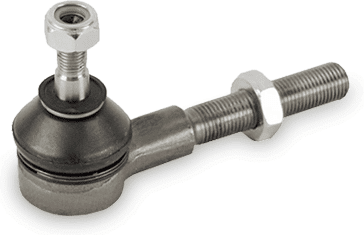
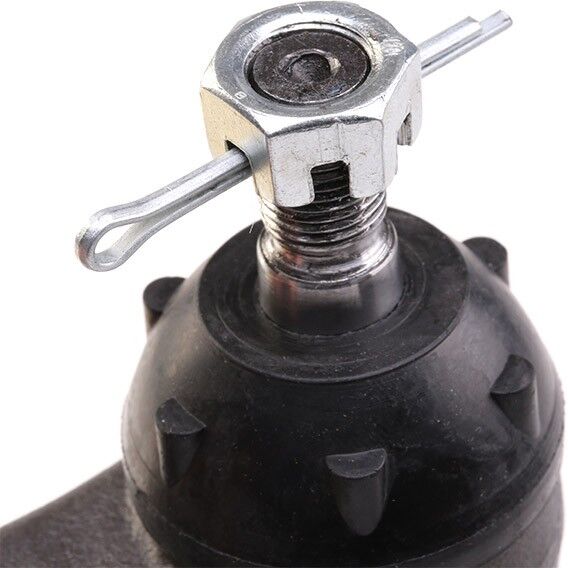
Similar search terms for MOOG-CH-ES-17257-Track-rod
Top-Angebote
Products related to MOOG-CH-ES-17257-Track-rod:
-
MOOG CH-ES-13908 Track rod endDiameter 1 [mm]: 18,8; Shape: angled; Container Type: Box; Length 1 [mm]: 268; Length 2 [mm]: 22,5; Thread Size 1: M25X1.5; Thread Size 2: M14X1.5; Packaging length [cm]: 34,5; Packaging width [cm]: 8,5; Packaging height [cm]: 6,5; Fitting Position: Front Axle Left, Front Axle Right, outer18,99 £*Shipping: 8,45 £Secure redirect to the provider
-
MOOG CH-ES-16549 Track rod endDiameter 1 [mm]: 18,3; Shape: angled; Container Type: Box; Length 1 [mm]: 94; Length 2 [mm]: 33; Thread Size 1: M16X1.5; Thread Size 2: M12X1.5; Paired product: CH-ES-16550; Packaging length [cm]: 21,5; Packaging width [cm]: 13; Packaging height [cm]: 6; Fitting Position: Front Axle Left13,99 £*Shipping: 8,45 £Secure redirect to the provider


-
Does it say "Es existiert" or "Es existieren"?
The correct form is "Es existiert." This is because "es" is a singular pronoun, so the verb "existiert" should also be in the singular form. If the subject were plural, then the correct form would be "Es existieren." **
-
Do you say "Es quellt" or "Es quillt"?
The correct form is "Es quillt." The verb "quillt" is the third person singular form of the verb "quellen," which means "to well up" or "to gush." So, when describing something that is welling up or gushing, you would use "Es quillt." **
-
Do you say "Ist es" or "Es ist"?
In German, both "Ist es" and "Es ist" are correct, but they are used in different contexts. "Ist es" is used to form a question, for example "Ist es kalt?" (Is it cold?). On the other hand, "Es ist" is used to make a statement, for example "Es ist schön" (It is beautiful). So, the choice between "Ist es" and "Es ist" depends on whether you are asking a question or making a statement. **
-
Is it "Tu es jolie" or "Tu es joli"?
The correct phrase is "Tu es jolie" when referring to a female, and "Tu es joli" when referring to a male. In French, adjectives must agree in gender with the noun they are describing. Jolie is the feminine form of the adjective, while joli is the masculine form. **

Is it "Sieh es ein" or "Seh es ein"?
The correct phrase is "Sieh es ein." The word "sieh" is the imperative form of the verb "sehen" (to see), and "ein" means "in" or "into." Therefore, "Sieh es ein" translates to "See it in" or "See it into" in English. On the other hand, "Seh es ein" is not grammatically correct in standard German. **
When is "ch" pronounced as a hard "k" and when as a soft "ch"?
The pronunciation of "ch" as a hard "k" sound typically occurs when followed by the letters "a," "o," "u," or a consonant. For example, in words like "school," "chemist," or "chorus," the "ch" is pronounced as a hard "k." On the other hand, the soft "ch" sound is usually heard when "ch" is followed by "e," "i," or "y." Words like "chef," "machine," or "cherry" demonstrate the soft "ch" pronunciation. **
Top-Angebote
Products related to MOOG-CH-ES-17257-Track-rod:
-
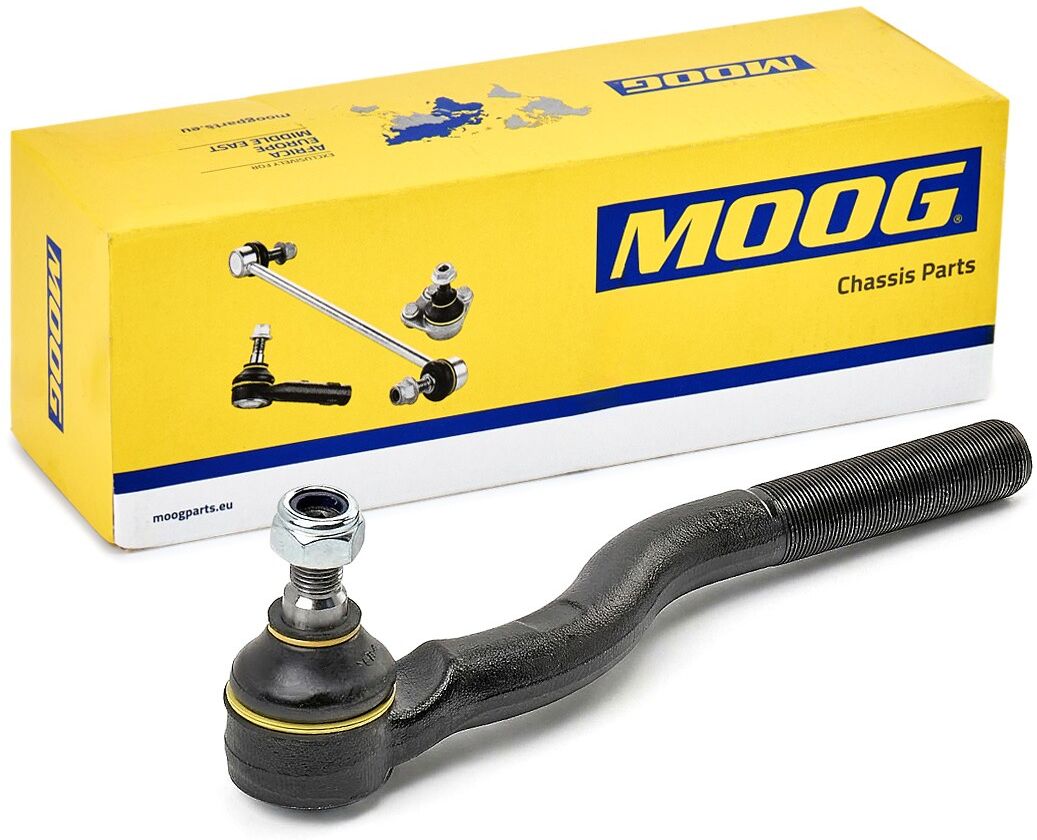
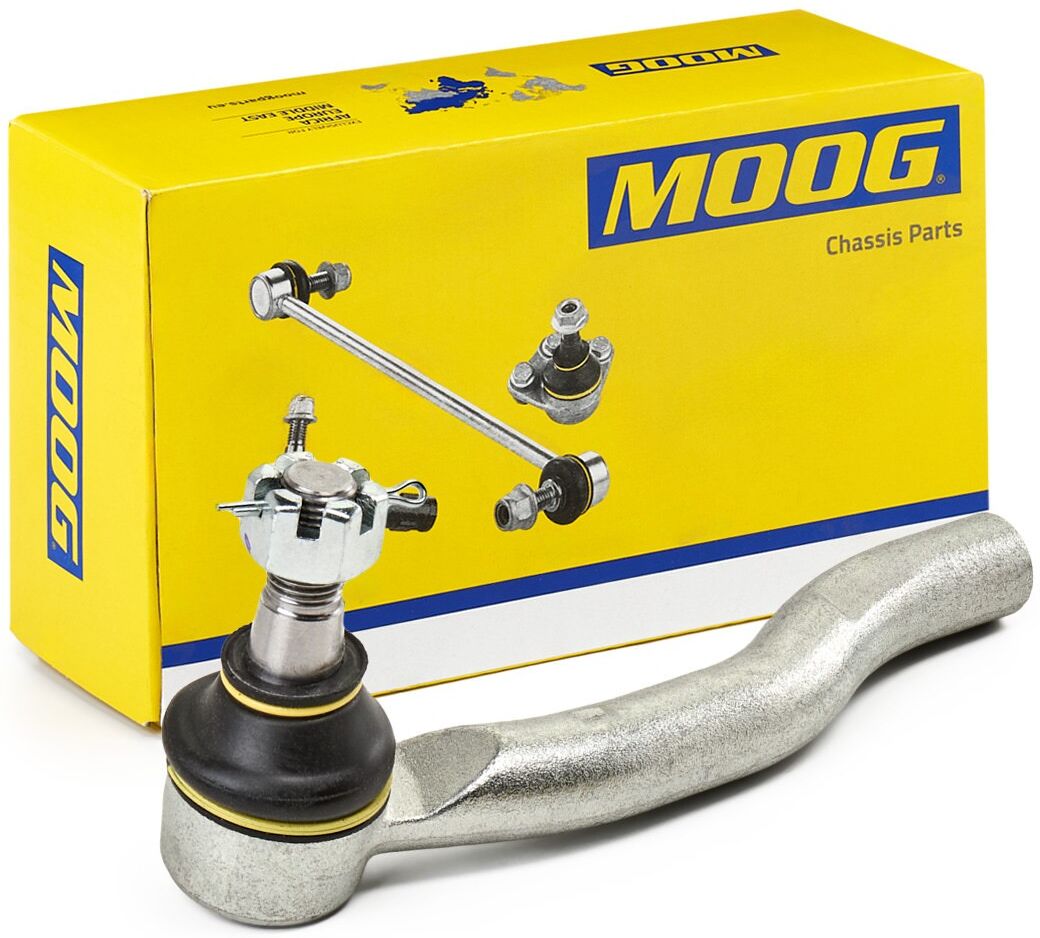
MOOG CH-ES-17257 Track rod endDiameter 1 [mm]: 15,1; Shape: angled; Container Type: Box; Length 1 [mm]: 152; Length 2 [mm]: 20,5; Thread Size 1: M14x1.5; Thread Size 2: M12x1.25; Paired product: CH-ES-17258; Fitting Position: Front Axle Left, outer29,99 £*Shipping: 8,45 £Secure redirect to the provider
-
MOOG CH-ES-7921 Track rod endDiameter 1 [mm]: 15,9; Shape: straight; Container Type: Box; Length 1 [mm]: 135; Length 2 [mm]: 21; Thread Size 1: 11/16-18 LHT; Thread Size 2: 1/2-20; Packaging length [cm]: 20; Packaging width [cm]: 9,5; Packaging height [cm]: 5; Fitting Position: Front Axle9,99 £*Shipping: 8,45 £Secure redirect to the provider
-
MOOG CH-ES-13908 Track rod endDiameter 1 [mm]: 18,8; Shape: angled; Container Type: Box; Length 1 [mm]: 268; Length 2 [mm]: 22,5; Thread Size 1: M25X1.5; Thread Size 2: M14X1.5; Packaging length [cm]: 34,5; Packaging width [cm]: 8,5; Packaging height [cm]: 6,5; Fitting Position: Front Axle Left, Front Axle Right, outer18,99 £*Shipping: 8,45 £Secure redirect to the provider
-
Is it "sei es" or "seien es"?
The correct phrase is "sei es." This phrase is used in German to express a condition or possibility, similar to saying "be it" or "whether it is" in English. The verb "sei" is in the imperative form, while "es" is the pronoun referring to the subject of the condition. **
-
Does it say "sei es" or "seien es"?
The correct phrase is "sei es." This phrase is used in German to express a wish or a hypothetical situation. The verb "sei" is the imperative form of the verb "sein" (to be) in the second person singular, and it is followed by "es" which means "it." Together, they form the phrase "sei es," which translates to "be it" in English. **
-
Does it say "Es existiert" or "Es existieren"?
The correct form is "Es existiert." This is because "es" is a singular pronoun, so the verb "existiert" should also be in the singular form. If the subject were plural, then the correct form would be "Es existieren." **
-
Do you say "Es quellt" or "Es quillt"?
The correct form is "Es quillt." The verb "quillt" is the third person singular form of the verb "quellen," which means "to well up" or "to gush." So, when describing something that is welling up or gushing, you would use "Es quillt." **
Similar search terms for MOOG-CH-ES-17257-Track-rod
-
MOOG CH-ES-16549 Track rod endDiameter 1 [mm]: 18,3; Shape: angled; Container Type: Box; Length 1 [mm]: 94; Length 2 [mm]: 33; Thread Size 1: M16X1.5; Thread Size 2: M12X1.5; Paired product: CH-ES-16550; Packaging length [cm]: 21,5; Packaging width [cm]: 13; Packaging height [cm]: 6; Fitting Position: Front Axle Left13,99 £*Shipping: 8,45 £Secure redirect to the provider
-
MOOG CI-ES-3943 Track rod endDiameter 1 [mm]: 14; Shape: angled; Container Type: Box; Length 1 [mm]: 296; Length 2 [mm]: 35,5; Thread Size 1: M16X1.25; Thread Size 2: M14X1.5; Paired product: CI-ES-4243; Packaging length [cm]: 41,5; Packaging width [cm]: 11; Packaging height [cm]: 8; Fitting Position: Front Axle Right, outer19,49 £*Shipping: 8,45 £Secure redirect to the provider
-
MOOG NI-ES-4924 Track rod endDiameter 1 [mm]: 18; Shape: angled; Container Type: Box; Length 1 [mm]: 184; Thread Size 1: M14X1.5; Thread Size 2: M14X1.5; Paired product: NI-ES-4925; Packaging length [cm]: 21,5; Packaging width [cm]: 13; Packaging height [cm]: 6; Fitting Position: Front Axle Left, outer18,49 £*Shipping: 8,45 £Secure redirect to the provider
-
Do you say "Ist es" or "Es ist"?
In German, both "Ist es" and "Es ist" are correct, but they are used in different contexts. "Ist es" is used to form a question, for example "Ist es kalt?" (Is it cold?). On the other hand, "Es ist" is used to make a statement, for example "Es ist schön" (It is beautiful). So, the choice between "Ist es" and "Es ist" depends on whether you are asking a question or making a statement. **
-
Is it "Tu es jolie" or "Tu es joli"?
The correct phrase is "Tu es jolie" when referring to a female, and "Tu es joli" when referring to a male. In French, adjectives must agree in gender with the noun they are describing. Jolie is the feminine form of the adjective, while joli is the masculine form. **
-
Is it "Sieh es ein" or "Seh es ein"?
The correct phrase is "Sieh es ein." The word "sieh" is the imperative form of the verb "sehen" (to see), and "ein" means "in" or "into." Therefore, "Sieh es ein" translates to "See it in" or "See it into" in English. On the other hand, "Seh es ein" is not grammatically correct in standard German. **
-
When is "ch" pronounced as a hard "k" and when as a soft "ch"?
The pronunciation of "ch" as a hard "k" sound typically occurs when followed by the letters "a," "o," "u," or a consonant. For example, in words like "school," "chemist," or "chorus," the "ch" is pronounced as a hard "k." On the other hand, the soft "ch" sound is usually heard when "ch" is followed by "e," "i," or "y." Words like "chef," "machine," or "cherry" demonstrate the soft "ch" pronunciation. **
* All prices are inclusive of VAT and, if applicable, plus shipping costs. The offer information is based on the details provided by the respective shop and is updated through automated processes. Real-time updates do not occur, so deviations can occur in individual cases. ** Note: Parts of this content were created by AI.